
If you have Property Assessed Clean Energy (PACE) financing, selling or refinancing your Florida home requires extra planning. This PACE lien explained guide covers why the assessment is recorded against the property, why mortgage lenders often require payoff and what homeowners can do before a closing. By the end, you’ll know what to check with Ygrene, your mortgage lender and your closing or real estate professionals before moving forward.
PACE lien explained: What is actually attached to your property?
PACE financing works differently from a conventional personal loan.
With residential PACE financing, qualifying property improvements are financed through a property assessment. Repayment is tied to the property tax system rather than handled as a separate monthly personal loan payment. Ygrene currently describes its Florida PACE financing as being repaid through the property tax bill.
The financing is secured by the improved property. That distinction becomes especially important when the owner later wants to sell or refinance.
Under Florida Statute 163.08, the applicable non-ad valorem assessment can constitute a lien of equal dignity to county taxes and assessments. The statute also allows notice of the lien for the financing amount to be recorded in county public records.
Ygrene’s current FAQ describes PACE financing as secured by a continuing first-priority lien on the property. The lien remains during the financing term and is removed after the financing is fully repaid and the county completes its lien-removal process.
Why lien priority matters
A mortgage is also secured by your property. The difference in lien priority creates an issue for many mortgage lenders because a PACE assessment can have priority over an existing mortgage lien.
That doesn’t automatically mean you can’t sell your home or refinance your mortgage. It does mean the existing assessment has to be identified early so everyone involved knows how it must be handled.
For Florida homeowners considering PACE financing for a roof, impact windows, HVAC system or another improvement, this is one of the longer-term obligations worth understanding before signing. Ygrene’s current explanation of how PACE financing works covers the assessment structure, repayment through property taxes and the property’s role as security for the financing.
An assessment can be transferable without being practically transferable
This is one of the more confusing parts of PACE.
A property assessment may legally remain connected to the property, which can make transfer seem straightforward. In a real estate transaction, however, the buyer’s mortgage lender has its own underwriting requirements.
Ygrene states that while property taxes are legally transferable, most mortgage lenders require the remaining PACE tax assessment to be paid in full as a condition of a sale or refinance. Its FAQ advises owners to consider a possible future sale or refinance before obtaining PACE financing and to discuss the issue with their lender.
The practical question, therefore, isn’t simply, “Can this assessment transfer?” You also need to ask, “Will the mortgage lender involved in this transaction allow it to remain?”
What happens to a PACE lien when you sell your house?
If you’re searching for information about a PACE lien sell house situation, the most useful starting point is this: don’t assume that a buyer can simply take over the remaining assessment.
Ygrene says residential property owners will very likely need to pay off their PACE financing during a sale. Most mortgage lenders require full repayment of the remaining PACE tax obligation as a condition of the transaction.

Federal mortgage policy adds another consideration. The Federal Housing Finance Agency (FHFA) has stated that Fannie Mae and Freddie Mac policies prohibit the purchase of a mortgage on a property with a first-lien PACE obligation attached. That can affect buyers who intend to use financing that must meet those requirements.
The Consumer Financial Protection Bureau’s PACE guidance likewise warns that selling a property with an outstanding PACE obligation can create challenges because a buyer or the buyer’s lender may require payoff before closing.
Florida law also requires disclosure to a buyer
Florida law addresses the sale of residential property with an unpaid PACE assessment.
Florida Statute 163.08 requires a seller to provide a prospective purchaser with a written disclosure when a qualifying PACE assessment has been levied and an unpaid balance remains. The required notice must be provided at or before the seller executes the sales contract, either in the contract or separately as permitted by the statute.
That makes the assessment something to address during transaction preparation rather than near the end of closing.
Your real estate agent, title or closing professional and attorney can help determine which documents and disclosures apply to your particular transaction.
A hypothetical Florida home sale
Consider a homeowner in an eligible Florida jurisdiction who used Ygrene PACE financing for a qualifying roof replacement several years ago.
The owner now accepts an offer on the property. There is still a balance on the PACE assessment and the buyer plans to finance the purchase with a mortgage.
The owner shouldn’t assume that the annual PACE obligation will simply pass to the buyer. Instead, the closing team would need to identify the recorded assessment. The seller should meet Florida’s applicable disclosure requirements and the buyer’s mortgage lender would determine whether the assessment must be paid off.
If payoff is required, the seller would need a current payoff amount and enough time for that payment to be processed. After repayment, the county must complete the process of removing the lien.
This example is hypothetical, but it shows why resolving the issue before closing matters.
Payoff and lien removal are separate steps
Paying the balance and having the recorded lien removed aren’t necessarily instantaneous events.
Ygrene’s FAQ states that the lien will no longer remain after financing has been repaid and the county removes it. Ygrene also notes that it doesn’t control how long a county takes to complete the removal and that this process can delay a sale or refinance.
For homeowners already preparing to close, timing deserves attention.
Ygrene’s current payoff request information says its projects are serviced by Willdan Financial Services. A full payoff quote typically takes two business days and Ygrene recommends requesting the payoff at least two weeks before closing when selling or refinancing a home.
That two-week recommendation shouldn’t be treated as a guarantee that every closing issue will be resolved within that window. County processing, lender requirements and transaction-specific documentation can affect timing.
How PACE financing can affect a refinance
A PACE financing refinance issue is similar to a sale in one important respect: the new mortgage lender has to accept the lien structure on the property.
When you refinance, you’re replacing an existing mortgage with a new mortgage. The lender underwriting that new mortgage reviews the property title and any existing obligations secured by the property.
An outstanding PACE assessment can become a condition that has to be resolved before the new mortgage closes.
The CFPB states that most lenders won’t refinance a mortgage while a PACE obligation remains on the property. Its current residential PACE disclosure materials also warn consumers that their ability to refinance depends on future financial circumstances, property value and market conditions.
FHFA policy is particularly relevant when a refinance would produce a mortgage intended for Fannie Mae or Freddie Mac. FHFA states that a homeowner with a first-lien PACE obligation can’t refinance that mortgage into a Fannie Mae or Freddie Mac mortgage while the first-lien PACE obligation remains.
Don’t wait for underwriting to discover the assessment
If you’re thinking about refinancing, contact your existing mortgage servicer and prospective refinance lender before assuming that the transaction will work with the PACE assessment in place.
Ask specifically:
- Does this lender require the PACE assessment to be paid in full before refinancing?
- If payoff is required, when must the payoff be completed?
- What documentation will the lender or title company need after payoff?
- Does the lender need evidence that the lien has been released or removed from county records?
- Could the timing of lien removal affect the scheduled closing?
- If your mortgage uses escrow for property taxes, how will the payoff affect future escrow calculations?
Those answers should come from the professionals handling your actual refinance rather than from a general assumption about PACE.
What about mortgage escrow?
PACE financing is repaid through the property tax system. For homeowners whose mortgage servicer escrows taxes, the assessment can therefore affect the amount the servicer collects for property taxes.
Ygrene currently explains that when property taxes are paid through mortgage escrow, the mortgage lender collects those taxes as part of the homeowner’s monthly mortgage payment and pays the county. The PACE assessment is included in that tax collection.
The CFPB similarly advises homeowners with a mortgage escrow account to contact their mortgage servicer about what they’ll owe and when.
If you’re refinancing, ask both the existing servicer and new lender how they will account for the assessment, payoff and any change to the escrow balance.
Should you pay off the PACE assessment before selling or refinancing?
There isn’t one answer that applies to every homeowner. The right timing depends on the transaction, the financing agreement, the lender involved and how soon you expect to close.
What you shouldn’t do is assume that payoff will be unnecessary.
Ygrene’s current materials say that in most sales the assessment must be paid off. They also state that most mortgage lenders require full repayment for a refinance or sale.
Before making a payoff decision, confirm the exact requirement with your lender or closing professionals.
| Issue to confirm | Why it matters |
| Remaining assessment balance | You need the current payoff figure rather than estimating from earlier documents. |
| Mortgage lender requirements | The lender may require full payoff before approving a sale or refinance. |
| Closing date | Payoff processing and county lien removal need to fit the transaction timeline. |
| Recorded lien status | Your title or closing professional may need evidence that the lien has been addressed. |
| Partial versus full payoff | A partial payment may reduce the balance but may not satisfy a lender that requires complete payoff. |
| Escrow impact | Your mortgage servicer may need to recalculate property tax collections after payoff. |
| Financing agreement terms | Your signed documents govern the specific assessment, payment rights and other obligations. |
Can you pay a Ygrene assessment off early?
Ygrene’s current how-it-works page says homeowners can make full or partial early payments without a prepayment penalty. It also states that partial payments have a $2,500 minimum. Homeowners should still confirm the terms that apply to their own financing agreement before sending a payment.
A partial payoff and a full payoff accomplish different things.
If a mortgage lender requires the PACE lien to be cleared before closing, reducing the balance may not be enough. Ask the lender or title professional whether complete payoff is required.
For an imminent transaction, request a formal payoff quote rather than relying on a balance from an old tax statement or financing document.
A practical checklist before your sale or refinance
A PACE assessment doesn’t mean you should avoid selling or refinancing. It means the assessment needs to become part of the transaction plan from the beginning.
Use this workflow before setting a closing timeline.
- Locate your financing documents. Find your PACE financing agreement, disclosures, recent property tax information and any account records showing the assessment.
- Confirm your current balance. Obtain current account information rather than estimating what remains based on the original financed amount.
- Tell the relevant professionals about the PACE assessment. For a sale, that may include your real estate agent, attorney, title company and closing professional. For a refinance, tell the prospective mortgage lender early in the application.
- Ask whether full payoff is required. Don’t rely on the fact that a property assessment may legally transfer. The mortgage lender’s requirements can determine what must happen before closing.
- Request a formal payoff quote early. Ygrene currently recommends requesting a full payoff at least two weeks before a sale or refinance closing.
- Confirm what proof of payoff is needed. Ask whether the lender or title company requires a payoff confirmation, county-recorded release or other documentation.
- Allow time for lien removal. Ygrene states that county removal timing is outside its control and may delay a transaction.
- Review Florida disclosure requirements when selling. A Florida residential property with an unpaid qualifying assessment is subject to statutory buyer-disclosure requirements.
- Check your escrow after payoff or refinancing. If your mortgage payment includes property taxes, ask the servicer whether the change will affect your escrow calculation.
- Get case-specific advice where needed. A mortgage lender can explain underwriting requirements while an attorney, tax professional or real estate professional can address questions within their area of expertise.
What homeowners considering PACE should review before signing
Sale and refinance issues are easier to plan for before financing begins.
If you’re considering Ygrene PACE financing for a current home repair, first confirm that both your location and project qualify. Ygrene states that PACE financing is available only in participating Florida jurisdictions. Its current Florida service-area list identifies the counties and communities it presently serves.
Project eligibility also varies. Current Florida options include qualifying roofing work, windows and doors, HVAC improvements, septic and sewer work, storm-resistant measures and other eligible improvements. Homeowners can check Ygrene’s current Florida eligible project list rather than assuming a repair qualifies.
Before signing an assessment financing agreement, review the:
- Amount being financed and complete project cost.
- Interest rate, finance charges and total estimated repayment.
- Assessment schedule and estimated first payment date.
- Property tax and mortgage escrow impact.
- Early and partial payoff provisions.
- Effect of the assessment on a future sale or refinance.
- Contractor agreement and project scope.
Florida law requires residential PACE disclosures covering important financing terms and obligations. Reviewing those figures before signing can help you compare the assessment with other ways to pay for the project.
PACE is also not a government grant or assistance program. Ygrene states that its PACE program isn’t government sponsored and that installation work is performed by the homeowner’s contractor rather than Ygrene or a government entity.
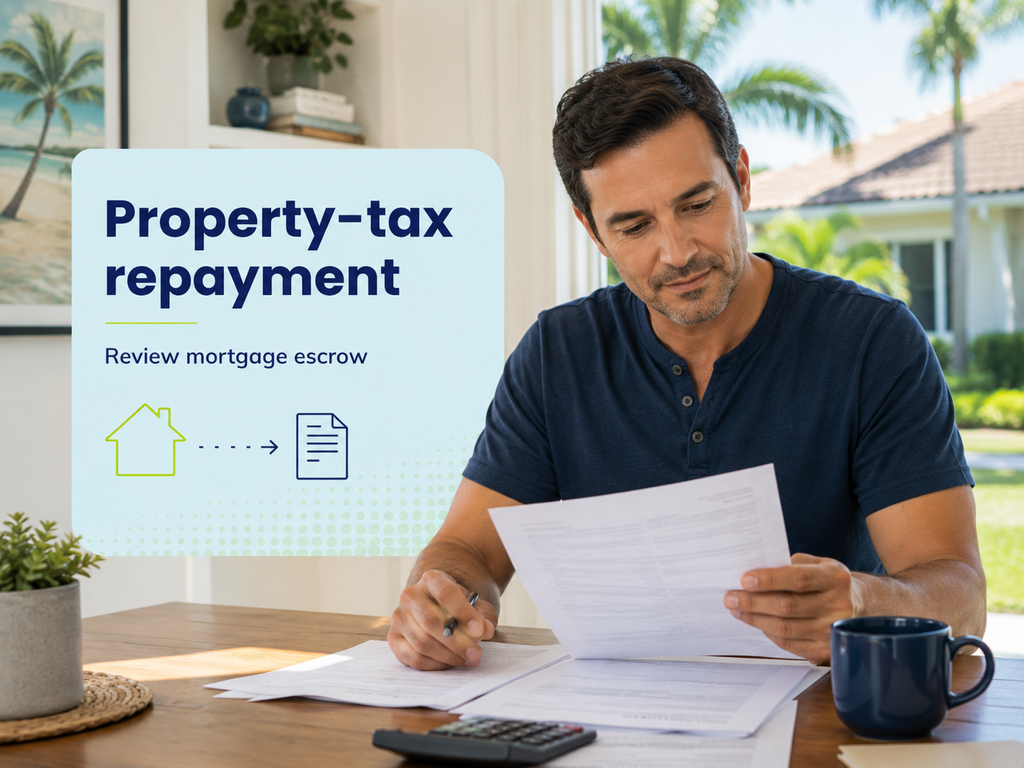
Plan for the lien before you plan the closing
If you’re already selling or refinancing a home with Ygrene PACE financing, identify the assessment early and confirm the requirements with your mortgage lender, title or closing professional. Request the correct payoff information with enough time for processing and county lien removal rather than waiting until the final days before closing.
If you’re considering PACE financing for a new Florida home improvement, first confirm that your property is in a participating jurisdiction, check that the project qualifies and read the financing disclosures carefully. Ygrene’s PACE FAQs can help you understand the assessment and sale or refinance considerations before you decide whether this financing structure fits your plans.
This article provides general educational information. Mortgage, legal, tax and real estate requirements can depend on the financing agreement, lender and individual transaction, so homeowners should obtain professional advice when their circumstances require it.
FAQs
Does a PACE assessment create a lien on my Florida home?
Yes. Florida law permits the PACE assessment to create a property lien with a priority tied to county taxes and assessments. Ygrene describes its residential PACE financing as secured by a first-priority lien that remains until the financing is repaid and the county removes the lien.
Can I sell a house with a PACE lien?
A property with an unpaid PACE assessment can be offered for sale, but the assessment will most likely need to be paid off to complete the transaction. Ygrene says most mortgage lenders require full repayment as a condition of sale and Florida law requires disclosure to a prospective buyer when an unpaid qualifying assessment remains.
Can a buyer take over my PACE payments?
Property assessments may be legally transferable, but that doesn’t mean every buyer’s mortgage lender will permit the PACE obligation to remain. Ygrene states that payments rarely transfer in practice because most mortgage lenders require payoff during a sale.
Can I refinance my mortgage with an existing PACE assessment?
Possibly, but many refinance lenders require the PACE assessment to be paid off first. FHFA also prohibits Fannie Mae and Freddie Mac from purchasing mortgages on properties that retain first-lien PACE obligations, so homeowners should discuss the assessment with the proposed refinance lender before applying.
How long does it take to get a Ygrene payoff quote?
Ygrene’s current contact page says a full payoff quote typically takes two business days. It recommends requesting the payoff at least two weeks before a scheduled sale or refinance closing to allow additional time for the transaction process.
Does the lien disappear as soon as I make the payoff?
Not necessarily on the same day. Ygrene states that after the financing is repaid, the county must remove the lien and Ygrene doesn’t control how long that county process takes.
Is PACE financing available everywhere in Florida?
No. Ygrene PACE financing is available only in approved participating jurisdictions. Ygrene’s current service-area page lists availability in 24 Florida counties with specific communities and property types subject to local participation.